Building Energy & Operational Carbon
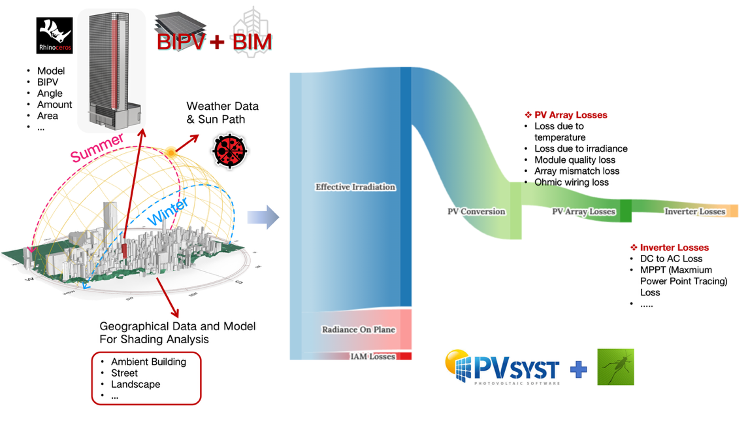
Assess the electricity generation and life-cycle carbon reduction potential of BIPV in existing building retrofits. Integrate urban-scale solar modelling with LCA to evaluate and optimize retrofit strategies in high-density urban environments.
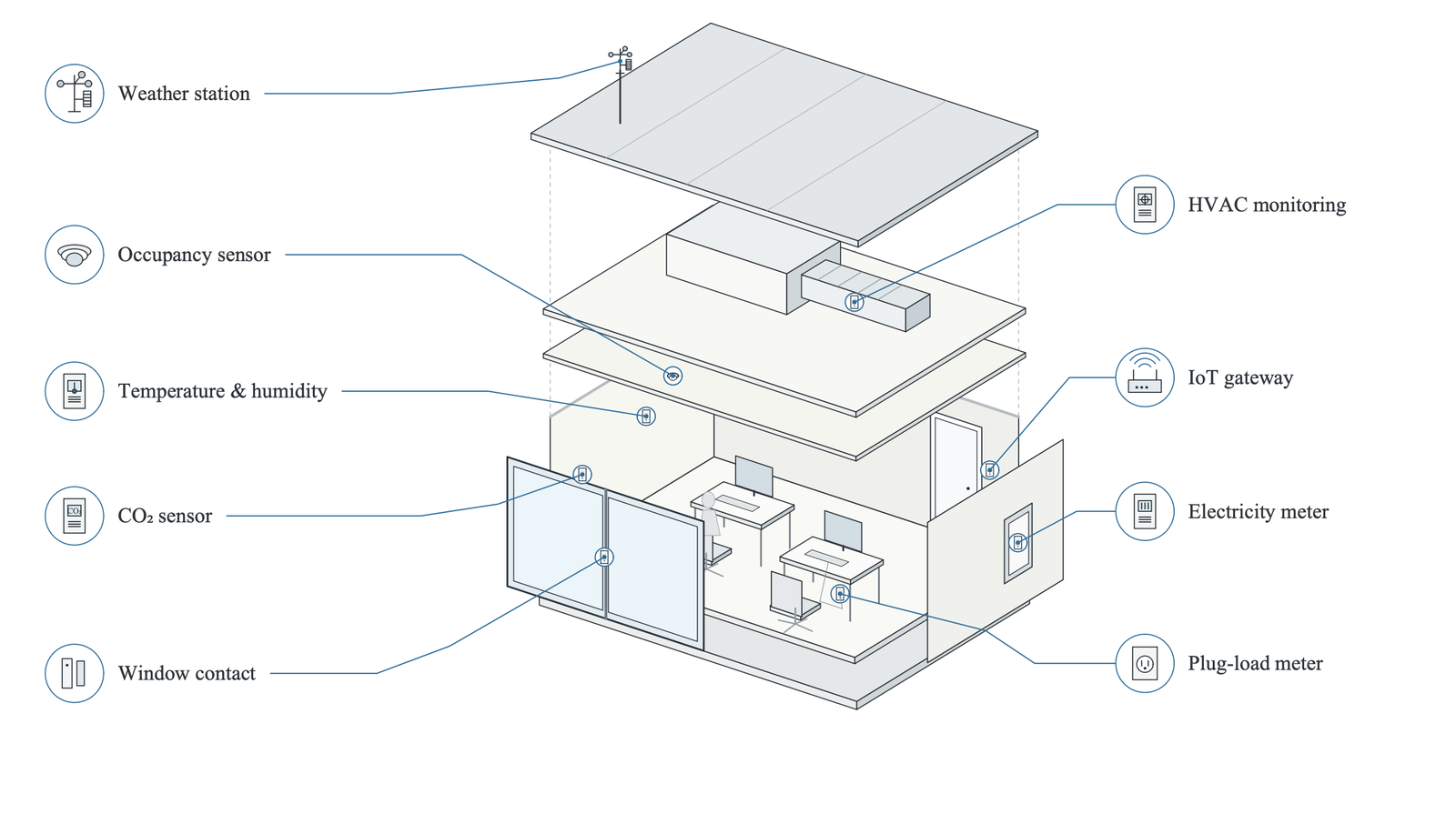
Investigate building energy performance and operational carbon emissions through intelligent monitoring and data-driven approaches to improve assessment accuracy and support low-carbon building operation and retrofit strategies.
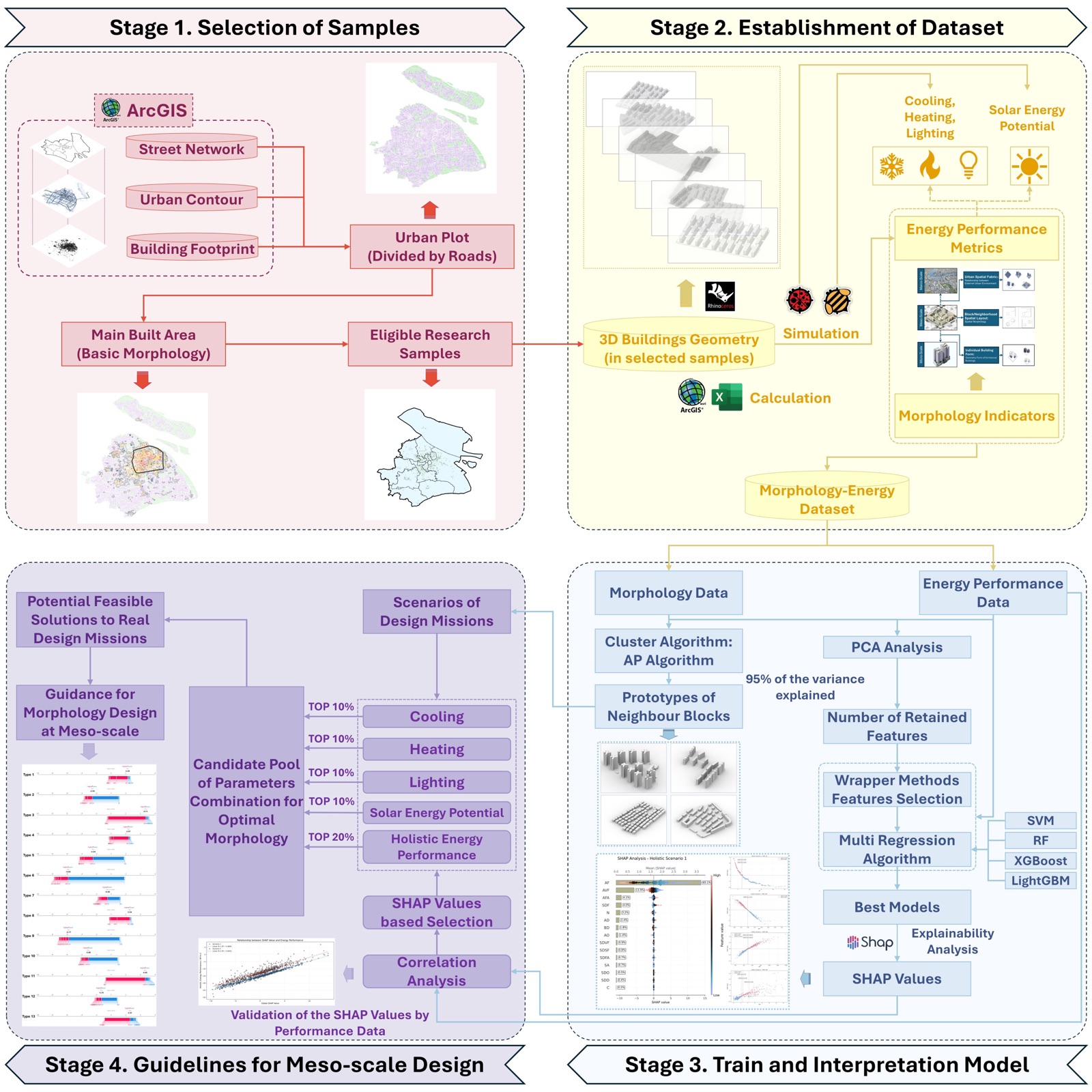
Extract interpretable morphology parameter ranges for sustainable mesoscale design through a hybrid framework combining prototype-based and explainable machine learning. Identify representative design tasks and practical constraints using structured indicators and empirical Shanghai samples. Investigate morphology–energy interactions across cooling, heating, lighting, and solar potential using explainable surrogate models. Develop evidence-based design guidelines and a parameter candidate pool for real-world optimization.
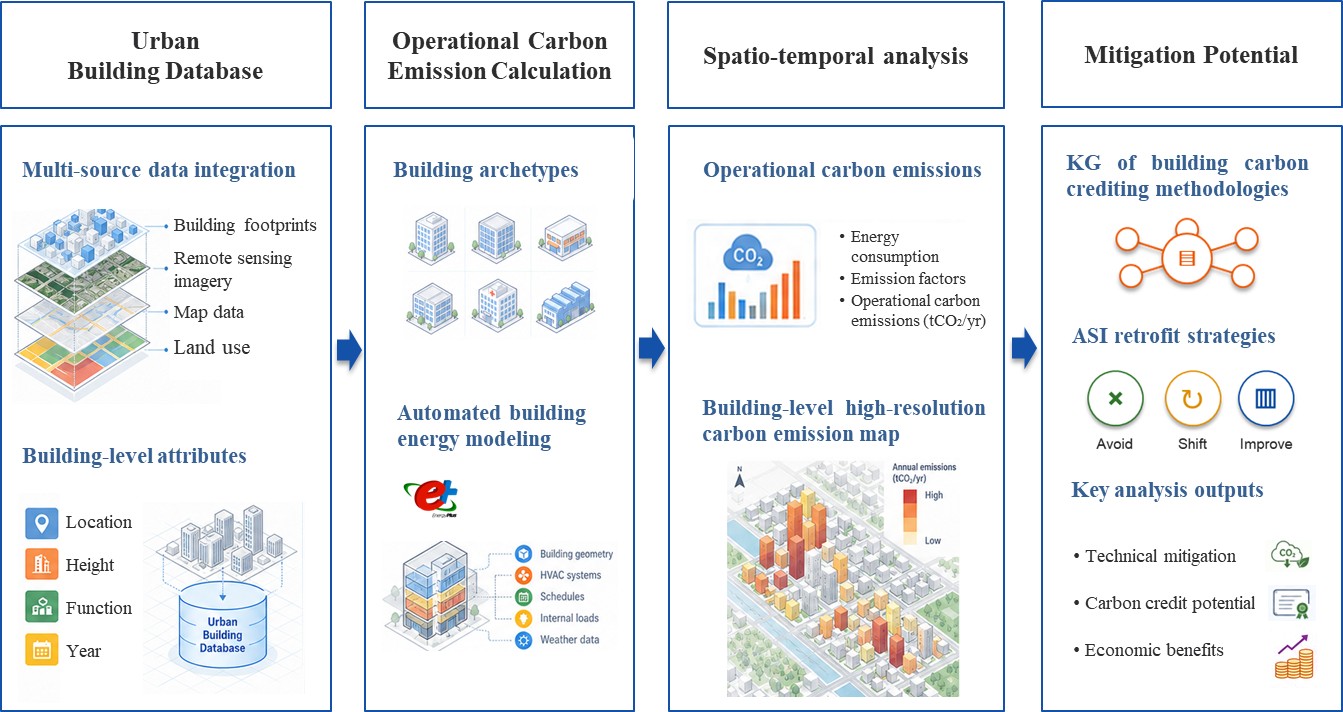
Develop an urban building database to assess building operational carbon emissions. Unlock the potential for emissions mitigation and economic benefits through carbon crediting mechanisms.